The Skin Game: A Complete Timeline of CS:GO and CS2 Cosmetics (2013-2026)
I’ve been watching this market since the very first crate dropped. Honestly, nobody—not even Valve—knew what they were unleashing back in 2013. What started as a quirky monetization experiment turned into a multi-billion-dollar economy, a legal minefield, and arguably the most influential cosmetic system in gaming history. Let’s walk through the whole damn thing, year by year.
2013: The Birth of an Economy
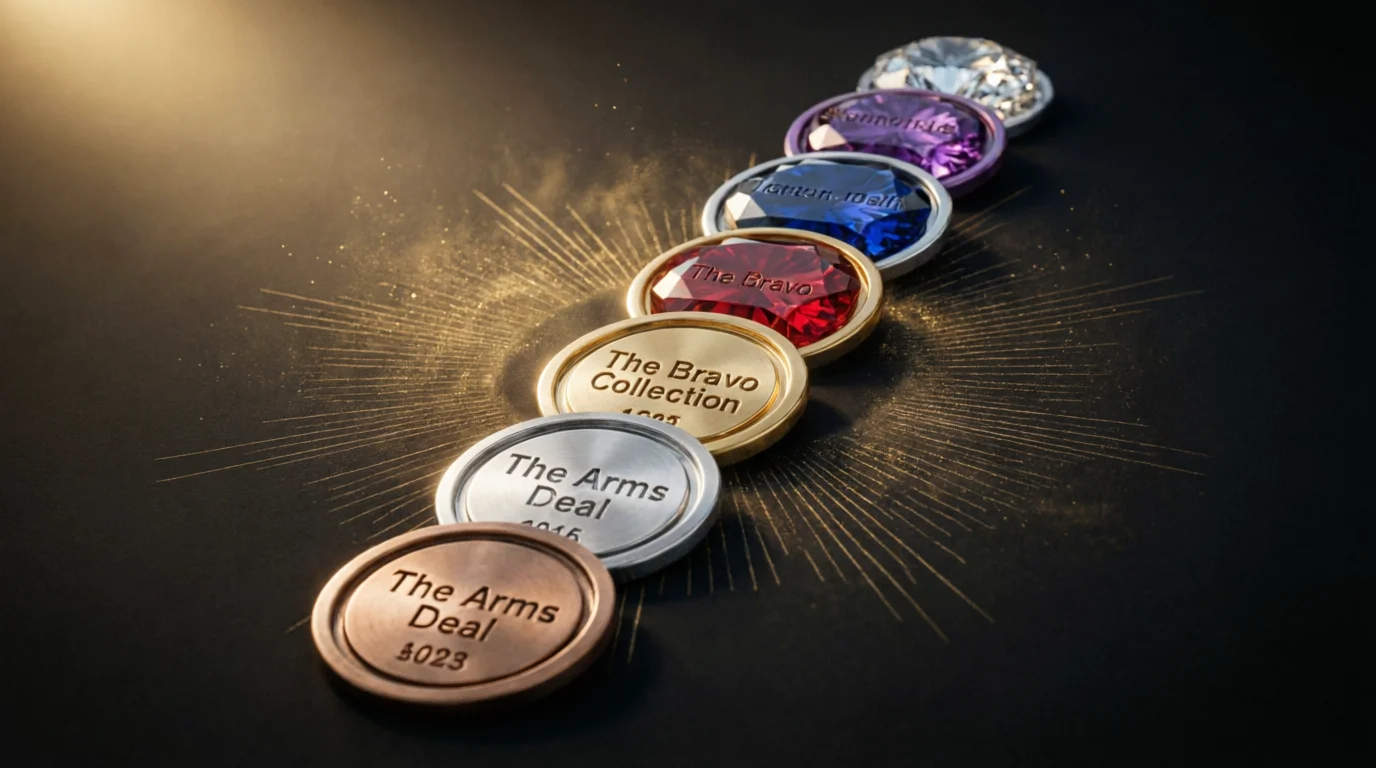
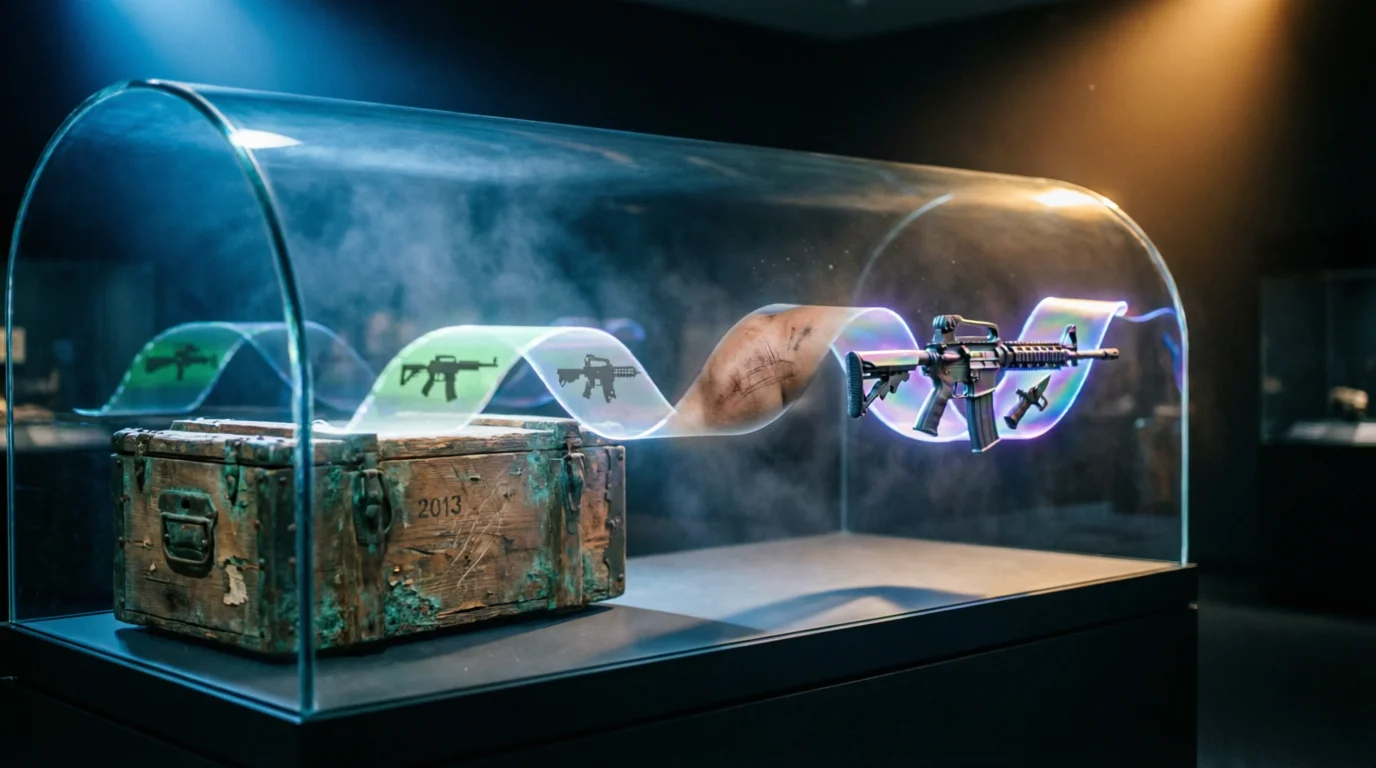
The single most important date in CS:GO history isn’t a major tournament win. It’s August 13, 2013. That’s when the Arms Deal update dropped.
Before this, CS:GO was struggling. Player counts were modest, and the game’s economy was nonexistent. Then Valve flipped the switch. The update introduced two things that would change everything: weapon finishes (skins) and the first-ever weapon case, the Arms Deal Case.
The original skins were… simple. No animated patterns, no wear states beyond a basic quality label. But the concept was genius. Players unboxed cases with keys purchased from the in-game store (then $2.49 each), and the skins could be traded directly between players. No market, no middleman—just raw peer-to-peer trades using Steam’s existing trade system.
Key event: September 2013 – Steam Community Market integration for CS:GO items. This was the real game-changer. Suddenly, skins had a transparent, liquid price. You could sell a skin you unboxed, buy a different one, or cash out—all within Steam’s ecosystem. The market added a 15% transaction fee, which became Valve’s golden goose.
2014: The Rise of Rarity and Stickers
Valve quickly realized they had a money printer. In February 2014, the Huntsman Weapon Case introduced the concept of rare special items (the Huntsman Knife). Before this, knives were just reskins of the default. Now, they became the chase items everyone wanted.
March 2014 saw the first CS:GO Major with stickers: EMS One Katowice 2014. These stickers, applied to weapons, became the holy grail of skin collecting. The Titan (Holo) and iBUYPOWER (Holo) from this event now command five-figure prices. Nobody talks about this but the Kato 14 sticker market is more volatile than most crypto.
The Bravo Case (January 2014) introduced the M4A4 | Howl, which would later become the only contraband skin in existence after Valve discovered it used copyrighted artwork. The Howl was moved from Restricted to Covert and given a unique red 'Contraband' quality. Its price absolutely mooned.
September 2014: The Operation Breakout update introduced the first operation pass, a different monetization model that offered exclusive skins and missions. This set the template for every future operation.
2015-2016: The Gambling Wild West
This period is where things got ugly, but also where the market exploded.
2015: Third-party gambling sites exploded. Sites like CSGO Lotto, CSGO Wild, and CSGO Fast allowed players to deposit skins, gamble on coin flips, roulette, or jackpots, and withdraw winnings. Skins became a de facto currency for underage gambling. The market cap of skins circulating on these sites was estimated in the hundreds of millions.
2017-2018: The Crackdown and Trade Lock Chaos
2017: The market was still booming, but Valve started tightening the screws. Third-party trading sites (like OPSkins) were processing millions in transactions daily, using trade bots to facilitate instant skin swaps.
March 2018: The 7-day trade hold was introduced. Overnight, skin liquidity dropped by 90%. The hold applied to any item traded to someone not on your friends list for at least a year. This was Valve's way of killing off automated trading bots used by gambling sites and marketplaces.
June 2018: OPSkins shutdown. The largest third-party skin marketplace, which allowed cash-out to real money, was forced to close after Valve revoked its bot accounts. OPSkins' user base had over 5 million accounts and processed hundreds of millions in volume. Its death left a massive void. The community panicked. Skin prices crashed 30-50% across the board.
2019-2020: The Great Recovery and COVID Boom
From what I’ve seen, the market bottomed out in late 2018, but 2019 brought a slow recovery. The Operation Shattered Web (November 2019) was the first operation in two years, and it brought back hype.
2021-2022: The NFT Adjacent Era
2023: CS2 Launch – The Biggest Change Since 2013
March 2023: Valve announced CS2 as a Source 2 engine upgrade. The community went insane. Speculation about skin rendering changes drove prices up 20-30% overnight. People were buying up "FN" skins expecting them to look even better.
September 2023: CS2 officially launched. The game replaced CS:GO on Steam. The visual changes to skins were dramatic:
- Float values now affected wear more precisely. Previously minimal wear skins looked cleaner.
- Lighting changed completely. Metallic finishes (like the AWP | Asiimov) looked different under Source 2's new PBR system.
- Patterns like the AK-47 | Case Hardened had their blue gem patterns shifted slightly, causing a brief panic.
- Float caps were adjusted for some items – certain skins could now reach lower float values than before.
2024-2025: The CS2 Boom and Market Maturity
2024: The market entered a new phase. Institutional money? Not exactly, but the scale was unprecedented. Total market cap of CS2 skins was estimated at over $5 billion. The CS2 Case became the most opened case in history, with over 250 million cases unboxed in 2024 alone.
Key trends:
- "Crafting" culture exploded. Players started buying specific patterns, floats, and sticker combos to create "1/1" crafts. The AK-47 | Case Hardened with a "blue gem" pattern #670 sold for $150,000.
- Sticker market went insane. The Titan (Holo) | Katowice 2014 sticker hit $80,000 for a single one.
- Operation Collections from the past became highly sought after. The Cobblestone Collection (containing the Dragon Lore) saw prices triple.
March 2025: Valve introduced Trade Lock 2.0 – a 30-day trade hold for items purchased from third-party marketplaces (not Steam Market). This was aimed at combating fraud and money laundering, which had become a serious issue. The community was split: some praised the security, others hated the reduced liquidity.
Late 2025: A massive legal ruling in the EU declared that CS:GO skins were "digital assets with real-world value" for tax purposes. This forced Valve to implement KYC (Know Your Customer) checks for high-volume traders. The market took a 10-15% dip but recovered within months.
2026: The Present Landscape
As of early 2026, the skin economy is the most mature it's ever been. Here’s where we stand:
- Total items on Steam Market: Over 2 billion skins and stickers listed.
- Most expensive skin: The ST FN AK-47 | Case Hardened with pattern #661 (the "Scar Pattern") sold for $450,000 in a private sale.
- Most expensive sticker: iBUYPOWER (Holo) | Katowice 2014 – $120,000 per sticker.
- Active player base: 1.5 million concurrent players on average.
- Case unboxing rate: Approximately 100 million cases opened per month.
Current hot items:
- The AWP | Gungnir from the Operation Vanguard 2 collection is the new grail, trading at $8,000+ FN.
- The Karambit | Doppler Phase 4 with a "blue sapphire" pattern is the most desired knife finish.
- The Glove | Vice FT still holds value at $600+.
The future: Nobody knows if the market will keep going up. But one thing is certain: Valve has no incentive to kill the golden goose. Skins generate hundreds of millions in revenue annually from key sales and market fees. The ecosystem is here to stay.
Final thought from a veteran: If you're holding skins from 2013-2015, you're sitting on generational wealth. If you're buying in 2026, you're playing a different game—more stable, less volatile, but with less room for 100x returns. The frontier is in rare patterns, low floats, and Kato 14 crafts. That's where the real money is now.
The skin timeline isn't just a history of virtual items. It's a case study in how a game company accidentally created a parallel economy, fought regulation, survived scandals, and built something that’s now worth more than most publicly traded companies. And it all started with a single crate and a $2.49 key.