A Complete History of CS:GO & CS2 Collectible Pins
Counter-Strike isn't just about weapon skins and stickers. Over the years, Valve has introduced numerous ways for players to customize their profiles and show off their dedication to the game. Among the most prestigious and recognizable of these items are Collectible Pins. Whether you are playing CS:GO or the new CS2, a rare pin displayed on your profile is a badge of honor.
In this guide, we dive deep into the complete history of Counter-Strike Collectible Pins, from their physical origins at Major tournaments to the difference between "Genuine" and standard pins, and their current standing in the CS2 economy.
TL;DR: Key Takeaways
- Physical Origins: Pins started as physical blind-bag merchandise sold exclusively at CS:GO Major tournaments.
- Genuine vs. Standard: "Genuine" pins come from physical codes, have a green border in-game, and are untradable. Standard pins are unboxed from in-game capsules and can be traded on the Steam Market.
- Series: There are currently three main Collectible Pin series, plus the Half-Life: Alyx promotional pins.
- Prestige: Genuine pins, especially rare ones like the Howl or Guardian Elite, are considered massive flexes due to their scarcity and high real-world cost.
The Physical Origins (Major Tournaments)
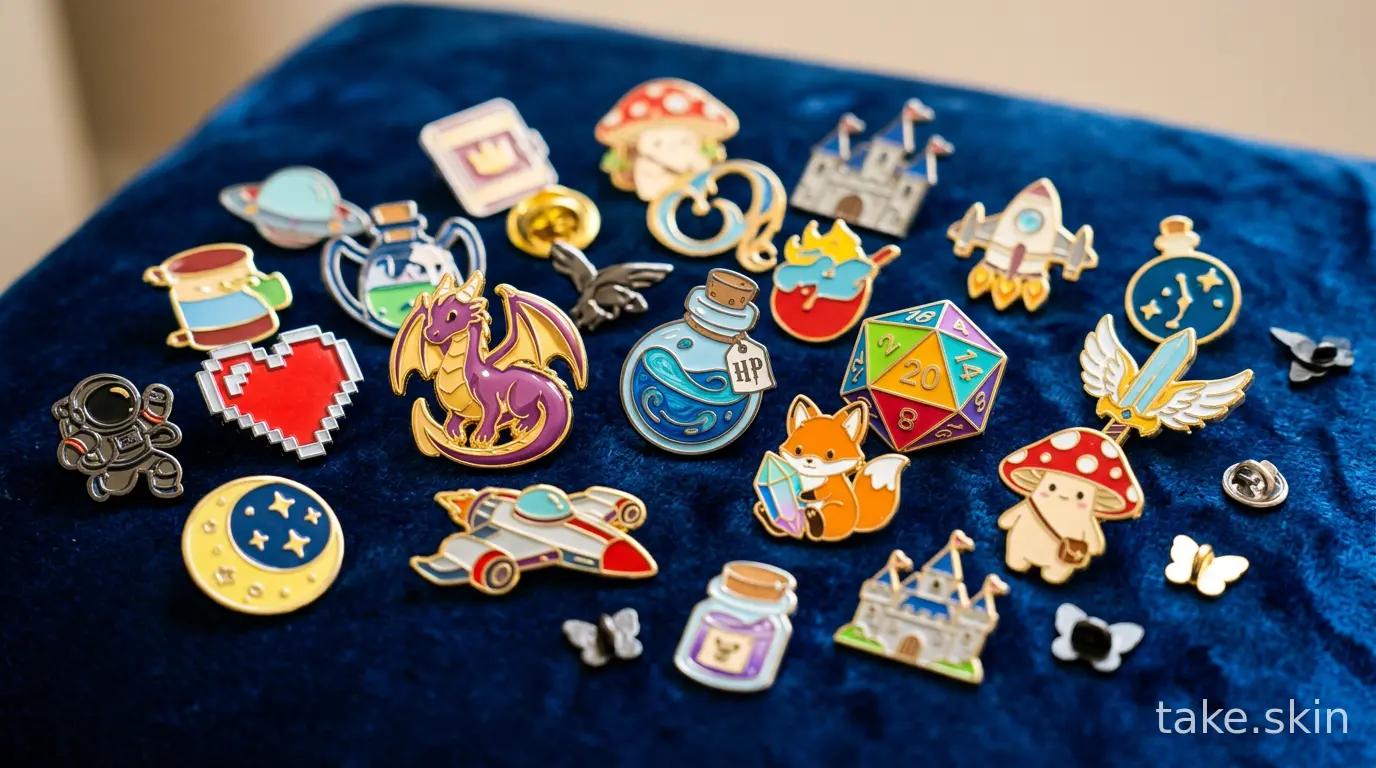
The story of Collectible Pins began in the offline arenas of CS:GO Major tournaments. Valve wanted a way to give attendees an exclusive, tangible piece of merchandise that also connected back to their digital identity.
They introduced physical blind-bags at events like ESL One Katowice 2015. Inside each bag was a high-quality physical metal pin, along with a scratch-off card containing a digital code. When redeemed on Steam, this code granted the player an identical, virtual version of the pin to display on their Counter-Strike profile.
This sparked a massive culture of pin trading at venues. Attendees would buy multiple blind-bags, rip them open, and trade physical pins with each other to complete their collections. Over time, as demand grew globally, Valve transitioned to offering these physical pins online through the Valve Store, though they frequently sold out within minutes.
"Genuine" vs. Standard Pins
If you look at the Steam Community Market, you might see pins selling for just a few dollars, while others trade privately for hundreds or thousands. This is due to the crucial difference between Genuine and Standard pins.
Genuine Pins
- Origin: Acquired exclusively by redeeming a code from a physical pin purchase.
- Appearance: Denoted by a Green border around the item in your inventory and the word "Genuine" in the title.
- Tradability: Untradable and unmarketable. Once applied to an account, it is locked there permanently. (The physical codes, however, can be sold or traded before redemption).
Standard Pins
- Origin: Unboxed from in-game Collectible Pin Capsules, which can be purchased directly in the CS2 client.
- Appearance: Standard border based on rarity (Blue, Purple, Pink, Red).
- Tradability: Fully tradable and sellable on the Steam Community Market.
Valve introduced standard in-game capsules to satisfy the massive demand from players who couldn't attend Majors or buy physical pins online. This allowed everyone to display their favorite designs, while preserving the prestige and rarity of the "Genuine" green-bordered originals.
Breakdown of the Pin Series
Over the years, Valve has released multiple series of pins. Here is a breakdown of the major releases and their most notable items.
| Pin Series | Release Era | Notable Rare Pins (Covert/Classified) |
|---|---|---|
| Series 1 | 2015-2016 | Guardian Elite, Dust II, Tactics, Mirage |
| Series 2 | 2016-2017 | Valeria, Chroma, Bloodhound, Cache |
| Series 3 | 2018-present | Howl, Welcome to the Clutch, Guardian 3 |
| Half-Life: Alyx | 2020 | Alyx, Civil Protection, Combine Helmet |
Series 1: The Classics
The original set that started it all. Featuring iconic map logos like Dust II and Mirage, the crown jewel of this collection is the Guardian Elite pin. A Genuine Guardian Elite is still considered one of the rarest profile flexes in Counter-Strike history.
Series 2: Expansion
Introduced at ESL One Cologne 2016, Series 2 brought in operation coins and case logos. The Valeria pin and the Chroma pin became the highly sought-after Covert items of this batch.
Series 3: The Modern Era
First seen at the Boston 2018 Major, Series 3 introduced perhaps the most famous pin of all: the Howl Pin. Bearing the artwork of the contraband M4A4 Howl, this pin instantly became a massive hit among collectors. The physical codes for a Genuine Howl Pin often sell for incredibly high premiums.
Half-Life: Alyx Pins
To cross-promote the release of Valve's VR masterpiece, Half-Life: Alyx, a special capsule was introduced featuring pins themed around the Half-Life universe. A Genuine physical version was also given to purchasers of the Valve Index VR headset.
The Investment Case: Are Pins Worth Buying?
From an investment standpoint, pins operate very differently from weapon skins or stickers.
- Unredeemed Physical Codes: The real money lies in unredeemed physical codes for Genuine pins (especially Series 1 and the Howl pin). Because they are finite and no longer actively produced, these codes appreciate in value. However, selling them is risky as it relies on trust transactions outside of the Steam ecosystem.
- In-Game Capsule Pins: Standard pins are generally poor investments. Because players can endlessly open in-game capsules, the supply is effectively infinite. Prices for standard pins remain relatively flat, hovering around the cost of the capsule divided by the odds of unboxing them.
- Niche Appeal: Pins are a niche collector's item. They don't affect gameplay and are only visible on the scoreboard and main menu profile. They don't have the same mass appeal or liquidity as a high-tier knife or glove.
FAQ
What is the difference between a Genuine CS2 pin and a regular one? A Genuine pin is obtained by redeeming a physical code, has a green inventory border, and cannot be traded. A regular pin is unboxed from an in-game capsule and can be traded or sold on the Steam Market.
Can you trade or sell Genuine pins in CS2? No. Once a Genuine pin code is redeemed on a Steam account, the digital pin is permanently locked to that account and cannot be traded or marketed. Only the unredeemed codes can be sold privately.
How do you get a Collectible Pin in CS2? You can purchase standard Collectible Pins from the Steam Community Market, or you can test your luck by buying a Pin Capsule from the in-game CS2 store. If you want a Genuine pin, you must purchase an unredeemed physical code from a third-party seller or a physical pin from official Valve merchandising events.