Is LootBear Legit in 2026? Honest Review & Safety Analysis
LootBear is not the strongest-looking CS2 platform in 2026, but it is still a real and established service, not a fake clone. The bigger issue is that its reputation is mixed and its public feedback suggests a platform that has aged poorly compared with more active modern marketplaces.
What Is LootBear?
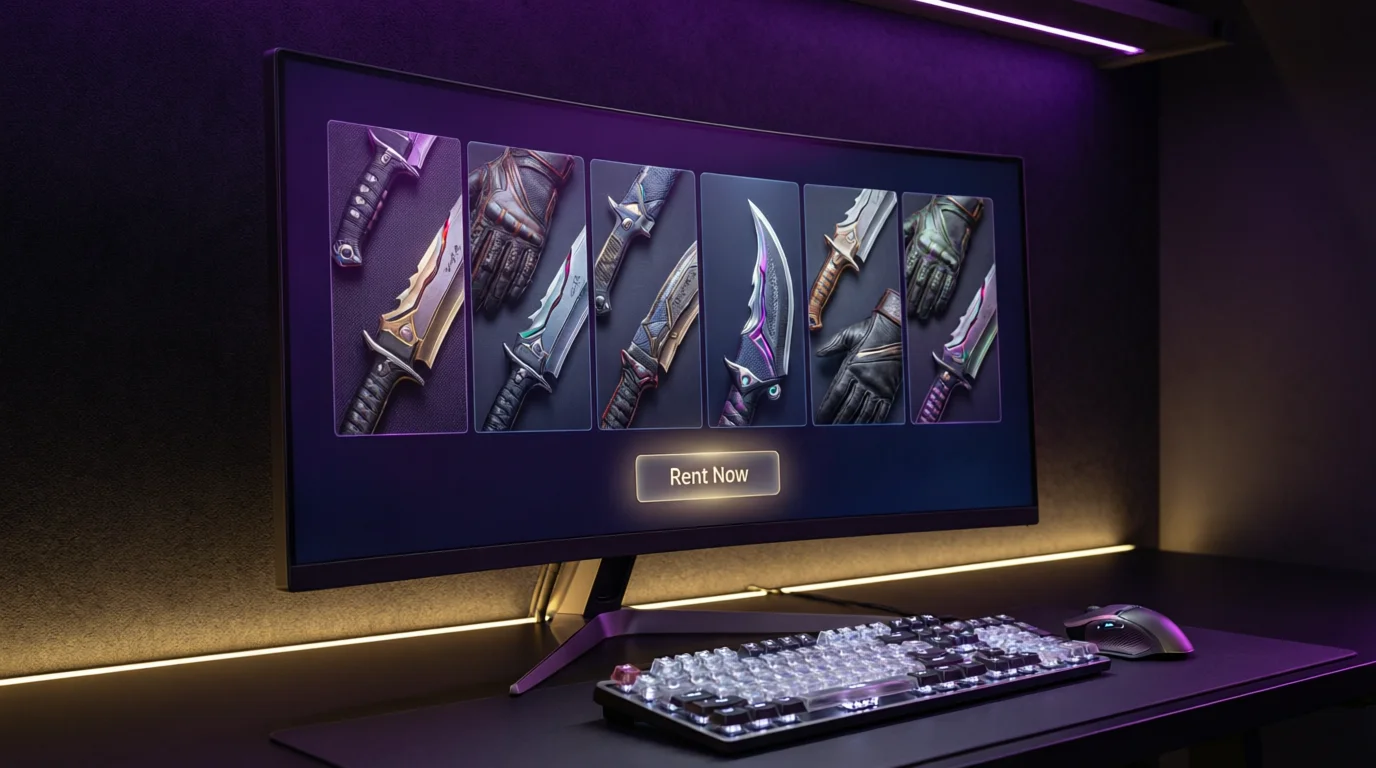
LootBear is a CS skin platform built around renting, buying, and selling skins rather than just direct marketplace trading. Its core appeal has always been the ability to use expensive skins without owning them permanently, which made it attractive for players who wanted a premium loadout on a short-term budget. In older coverage, the platform was described as having a large inventory and a rental-first model, and that basic positioning is still what defines it in 2026 discussions.
That said, the site’s public reputation is far weaker than the major CS2 marketplaces that dominate current trading recommendations. If the goal is to compare skin value before using a rental or trade platform, checking live pricing on take.skin is the safer first step. LootBear makes sense only if the rental model itself is the point; if you just want to trade or cash out efficiently, newer marketplaces are usually a better fit.
Is LootBear Legit? Trust & Safety Assessment
LootBear appears to be legitimate in the narrow sense that it is a real platform with a public Trustpilot page, contact info, and a long operating history. The problem is that legitimacy and user satisfaction are not the same thing. Trustpilot snapshots show a low rating around 3.1 to 3.2, and the visible complaint pattern includes slow support and unresolved issues.
Community sentiment is also much harsher than what you would want from a top-tier skin platform. A Reddit thread warns users not to use LootBear and alleges theft or terrible support, while another older review says the platform needs card verification and takes a significant cut from rental economics. The safest conclusion is that LootBear is real, but it is not a “trust me blindly” platform. It should be treated as a higher-friction, lower-confidence option than the current leading CS2 marketplaces.
Deposit and Withdrawal Methods
LootBear’s historic model relies heavily on credit card verification before rental use, and public criticism has repeatedly mentioned that requirement. That makes sense for a rental platform, because it needs to manage fraud and protect inventory, but it also increases user friction. Public sources in 2026 do not show LootBear as a clean, modern PayPal-style cashout service; instead, the platform is better understood as a rental and skin-handling service with compliance checks.
For withdrawals, the recurring theme in public comments is that the platform claims quick withdrawals, but user reports frequently disagree. That mismatch is important. A platform can advertise fast withdrawal behavior while still producing slow real-world outcomes when support is overloaded or verification is required. If the goal is direct and predictable cash movement, a marketplace with clearer payout documentation is usually safer than LootBear.
Fee Structure
LootBear’s fee structure is one of the least transparent parts of the platform from a 2026 buyer’s perspective. Older public descriptions say the platform works “without a fee” except for Visa and MasterCard methods which take 3%, but that does not mean the rental or trading economics are free in practice. Rental platforms usually make money through spread, reservation economics, and the difference between what users pay and the inventory value being exposed.
That is why LootBear can look cheap on the surface while still being expensive in practical terms. If you rent a skin, the real cost is the rental fee plus any friction from card processing or account verification. Compared with modern marketplace fees that are more explicit, LootBear’s pricing is harder to model and easier to misread. If you want to know whether a skin or rental is actually worth the quoted amount, check the live item value on take.skin before committing.
Customer Support Quality
Customer support is one of LootBear’s biggest weaknesses in the public record. Trustpilot complaints repeatedly mention slow response times and support that does not resolve the problem effectively, including one visible complaint that said the issue had lasted 2 months without a fix. That is not the kind of support history you want from a platform that handles rented or temporarily assigned skins.
The support experience is not just a complaint about speed; it is a complaint about outcomes. A slow support team is inconvenient, but a slow team that also fails to solve the issue is a red flag for any skin platform. In practical terms, this means LootBear’s support reputation is weaker than the major current trading sites that publish clearer contact and help-center flows. If support quality matters to you, LootBear is not a top-tier pick.
Community Reputation
Community reputation for LootBear in 2026 is weak compared with the leading CS2 platforms. The platform still has enough history to be recognized, but the visible sentiment is dominated by caution, support frustration, and unresolved complaints. Even the more neutral commentary often frames it as a legacy platform rather than a current best-in-class service.
The broader CS2 trading community has shifted toward better-rated, more active platforms like SkinsMonkey, Tradeit, DMarket, CSFloat, and Skinport. That matters because community reputation in this space is not just about fame; it is about whether users still trust the platform with real item value in 2026. LootBear still exists, but the public conversation around it is much less favorable than around the market leaders.
Pros and Cons
Pros
- Real, long-running platform with a rental-based CS skin model.
- Credit card verification and other compliance steps can reduce obvious fraud risk.
- Publicly visible Trustpilot and support/contact footprint show it is not a fake site.
Cons
- Trustpilot sentiment is weak, with ratings around 3.1 to 3.2 and repeated support complaints.
- Support resolution appears slow and inconsistent, with some complaints lasting months.
- The fee model is harder to evaluate cleanly than modern marketplaces, and rental economics can be confusing.
LootBear vs Alternatives
Compared with modern CS2 marketplaces like CSFloat, Skinport, and Tradeit.gg, LootBear is simply less attractive for most users in 2026. Those platforms are designed around buying, selling, or trading skins with clearer market mechanics, while LootBear is centered on rental and legacy skin handling. If the goal is to own, flip, or cash out skins efficiently, the newer marketplaces are the better choice.
Compared with a rental-first service, LootBear still has a niche use case: short-term skin access without buying the item outright. But niche usefulness does not equal best overall value. For most CS2 users, the combination of weak reputation, slow support, and less transparent economics pushes LootBear below the current market leaders.
take.skin Expert Verdict
LootBear is technically legit in 2026, but it is not a platform that inspires strong confidence based on public review data and community feedback. It only makes sense if you specifically want the rental model, and even then it is hard to recommend over more modern alternatives.
Check live CS2 skin prices on take.skin