The Holy Grail for many CS2 skin owners is successfully "cashing out"—turning digital pixels into real-world money in a bank account. Because Valve's Steam Community Market only allows you to sell items for Steam Wallet funds (which cannot be withdrawn), players must turn to third-party solutions.
The most dangerous method is peer-to-peer (P2P) cash trading, typically conducted over PayPal, Venmo, or direct bank transfers. The primary weapon scammers use in this arena is the Chargeback.
What is a Chargeback?
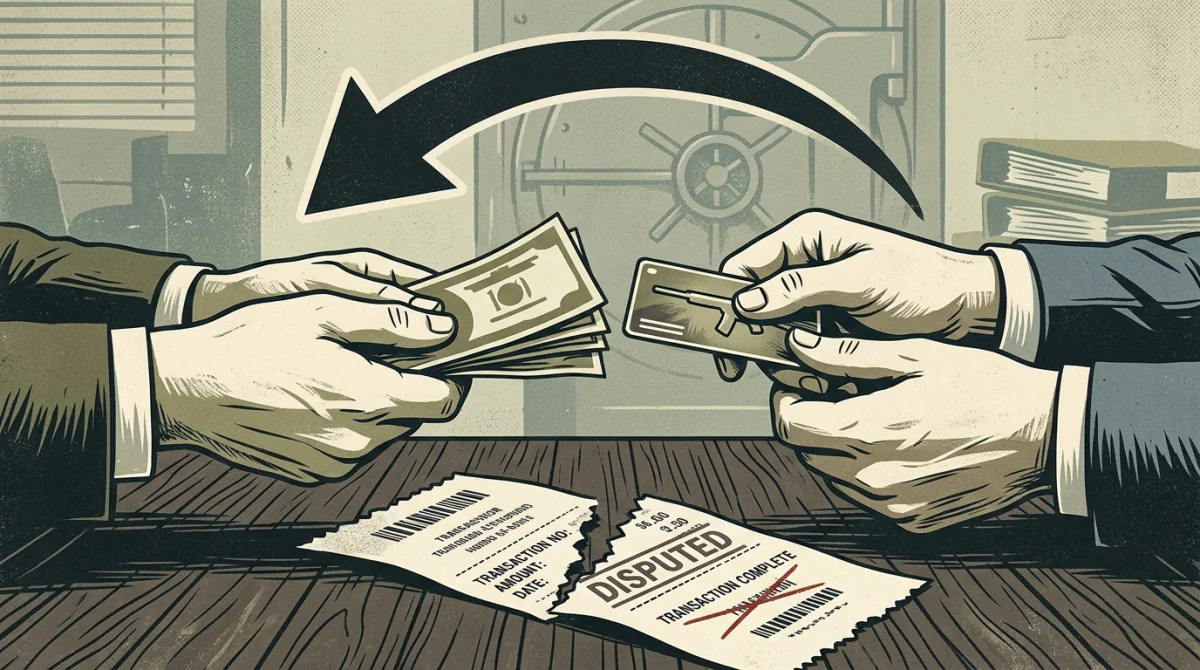
A chargeback is a consumer protection mechanism built into most credit cards and payment processors like PayPal. It is designed to protect buyers from fraudulent merchants (e.g., you order a TV online, but a box of bricks arrives, and the merchant refuses a refund). The buyer contacts their bank or PayPal, claims fraud, and the bank forcibly reverses the transaction, pulling the money out of the merchant's account and returning it to the buyer.
The Problem: Scammers weaponize this system against innocent CS2 skin sellers.
How the Chargeback Scam Works
The scam is devastatingly simple and exploits the fact that digital, intangible goods are very difficult to prove delivery for.
Step 1: The Transaction
You list your $500 Butterfly Knife for sale. A buyer approaches you, offering to pay full price (or even a slight overpay to entice you) via PayPal. They seem friendly, maybe they even have a bit of "+rep" on a Steam profile (which means nothing, as comments can be faked or bought).
Step 2: The Payment and Delivery
You agree. The buyer actually sends you the $500 via PayPal. You log into your PayPal account, and you see the $500 sitting in your available balance. Believing you are safe, you send the Butterfly Knife to the buyer via Steam Trade.
The trade is complete. You have the money, they have the knife.
Step 3: The Reversal (Weeks Later)
A week, a month, or sometimes even three months later, you receive an email from PayPal. It states that a dispute has been opened regarding the $500 transaction.
The buyer (the scammer) has contacted PayPal or their credit card company and claimed one of two things:
- "Unauthorized Transaction": They claim their account was hacked and they didn't authorize the purchase.
- "Item Not Received": They claim they paid for a digital good but you never delivered it.
Step 4: The Investigation and Loss
PayPal freezes the $500 in your account (if your balance is zero, your account goes into the negative). You are asked to provide "proof of delivery."
You submit screenshots of the Steam trade history showing the knife was sent to the buyer's account.
However, PayPal and most banks historically do not understand or support the trading of virtual, third-party video game items. A screenshot of a Steam trade is often deemed insufficient evidence, as it is easily forged and difficult for a bank employee to verify.
Because the buyer is claiming their credit card was stolen (a severe federal crime), the bank almost always sides with the buyer.
Step 5: The Result
PayPal forces the refund. The $500 is taken from you and given back to the scammer. The scammer also still has your Butterfly Knife. You have lost both the item and the money, and you may even face a "chargeback fee" from PayPal for the dispute.
The "Family and Friends" Myth
Many traders believe that asking the buyer to send money via PayPal's "Friends and Family" (F&F) option prevents chargebacks. This is a dangerous myth.
While F&F transactions cannot be disputed directly through PayPal's standard buyer protection system, they can still be charged back at the bank/credit card level. If the scammer used a credit card to fund the F&F payment, they just call their bank and claim the card was stolen. The bank will force PayPal to reverse the charge, and PayPal will take the money from you.
How to Safely Cash Out Your Skins
If peer-to-peer trading is so dangerous, how do you safely get cash for your skins?
1. Use Reputable Third-Party Marketplaces (The Best Option)
This is the only 100% secure method for standard users. Sites like Skinport, CSFloat, GamerPay, and DMarket act as secure middlemen.
- The buyer pays the site via secure methods.
- You trade the item to the buyer (or the site's bot).
- Once the site verifies the item has transferred, they release the funds to your bank account.
- The site absorbs the chargeback risk. If the buyer charges back later, the site deals with it; your money is safe. They charge a fee (usually 2-10%), but it is the price of total security.
2. Cryptocurrency
If you must do a peer-to-peer trade, Cryptocurrency (Bitcoin, Ethereum, USDT) is the only payment method that cannot be charged back. Once crypto hits your wallet, it is mathematically impossible for the sender to reverse the transaction. However, the buyer now faces the risk that you won't send the item, making finding willing buyers difficult.
Conclusion: Avoid peer-to-peer PayPal or bank transfer trades entirely unless you are dealing with a universally recognized, high-volume cash trader with massive, verifiable community reputation. For everyone else, use a trusted marketplace.