The 2026 CS2 Sticker Investment Playbook: Beyond the Kato Hype
So, what's the 2026 play? It's more nuanced, more strategic, and requires understanding the modern sticker economy's three core engines: The Major Sale Cycle, Roster Mania & Narrative, and Crafting Demand. Getting this right isn't about luck; it's about recognizing patterns the community repeats every single year.
The Modern Blueprint: From 75% Off to 500% Gains
The single most important date in any sticker investor's calendar is the final day of a Major's "Pick'Em" challenge. This triggers the 75% off sale on all tournament stickers—Capsules, Autograph Capsules, the works. This sale, typically lasting about a week, is your entry point. Buying stickers at full price is almost always a mistake for pure investment.
Why does this work? It's simple supply-side economics. For a few days, the market is flooded with stickers purchased at a 75% discount. Listings skyrocket, prices crater to just above the sale price, and that becomes the new, massively inflated supply floor. Once the sale ends, that faucet turns off. Permanent. The only new supply comes from people opening their hoarded capsules, which is a trickle compared to the sale deluge.
From what I've watched for years, the standard high-level trajectory for a successful sticker looks like this:
- Post-Sale Dip (Month 1-3): Prices stabilize slightly above sale price. Weak hands sell for quick, tiny profits. This is your consolidation period.
- First Major Rally (Months 4-8): As the sticker pool gets absorbed into crafts and inventories, and the next Major approaches, the first real climb begins. Good holos and foils from popular teams can see 200-400% increases from their post-sale low.
- Narrative-Driven Spikes (Ongoing): A player gets signed to a superteam, a team goes on an unexpected underdog run at the next Major, or a particular sticker becomes the "meta" craft for a popular skin. These events cause vertical, often temporary, price surges.
- Long-Term Appreciation (Year 2+): Stickers from memorable tournaments or with enduring visual appeal enter a slow, steady climb as the remaining supply in unopened capsules dwindles. This is where 1000%+ gains over 2-3 years happen for the best performers.
Picking Your Horses: Teams, Players, and Visuals
Not all stickers are created equal. Throwing money at random capsules during the sale is a gamble. You need a thesis. Here are the profiles that have consistently worked.
The Superstar Autograph: Player stickers are a different beast. Their value is tied almost entirely to narrative and career trajectory.
- The GOATs: s1mple or device autographs have inherent value from legacy. They're "blue chips."
- The Rising Star: This is the high-risk, high-reward play. Identifying a young, flashy player on the cusp of breaking out before they win a Major or become MVP. Buying their $2 sale-price foil during a quiet period and watching it hit $50 after they win a Major is the dream. Think of the hype around m0NESY or donk autographs after dominant performances.
- The Design Matters: A ugly, cluttered autograph sticker won't craft well, no matter how good the player is. The best are clean, signature-focused, and have a good holo/foil effect. NiKo's signature, for instance, is consistently popular for crafts.
What to Avoid (Usually):
- Paper Stickers: Their lack of effects makes them vastly less desirable for crafting. Demand is minimal. There are rare exceptions for incredibly iconic logos (very old Cloud9, Virtus.Pro), but modern papers are largely dead weight.
- Glitter Stickers: The community consensus is that they look cheap. They rarely sustain meaningful demand.
- Stickers from "Forgotten" Majors: Tournaments with weak viewer engagement or held during a game-period lull sometimes produce stickers that lack the "memory" needed for long-term demand. They just don't have a story.
The Engine Room: Crafting Demand is Everything
Here's the thing nobody talks about enough: modern sticker value is primarily propped up by crafters, not collectors. The "1/1 craft" culture on platforms like CSFloat is what turns a $5 holo into a $50 holo.
Crafters look for:
- Color Matching: A blue holo for a blue-themed skin. The FaZe holo on a USP-S | Cortex. The ENCE holo on anything green.
- Effect Quality: Does the holo have a vibrant, full spectrum? Does the foil look clean and metallic? The G2 Esports holo is a recent standout for its effect.
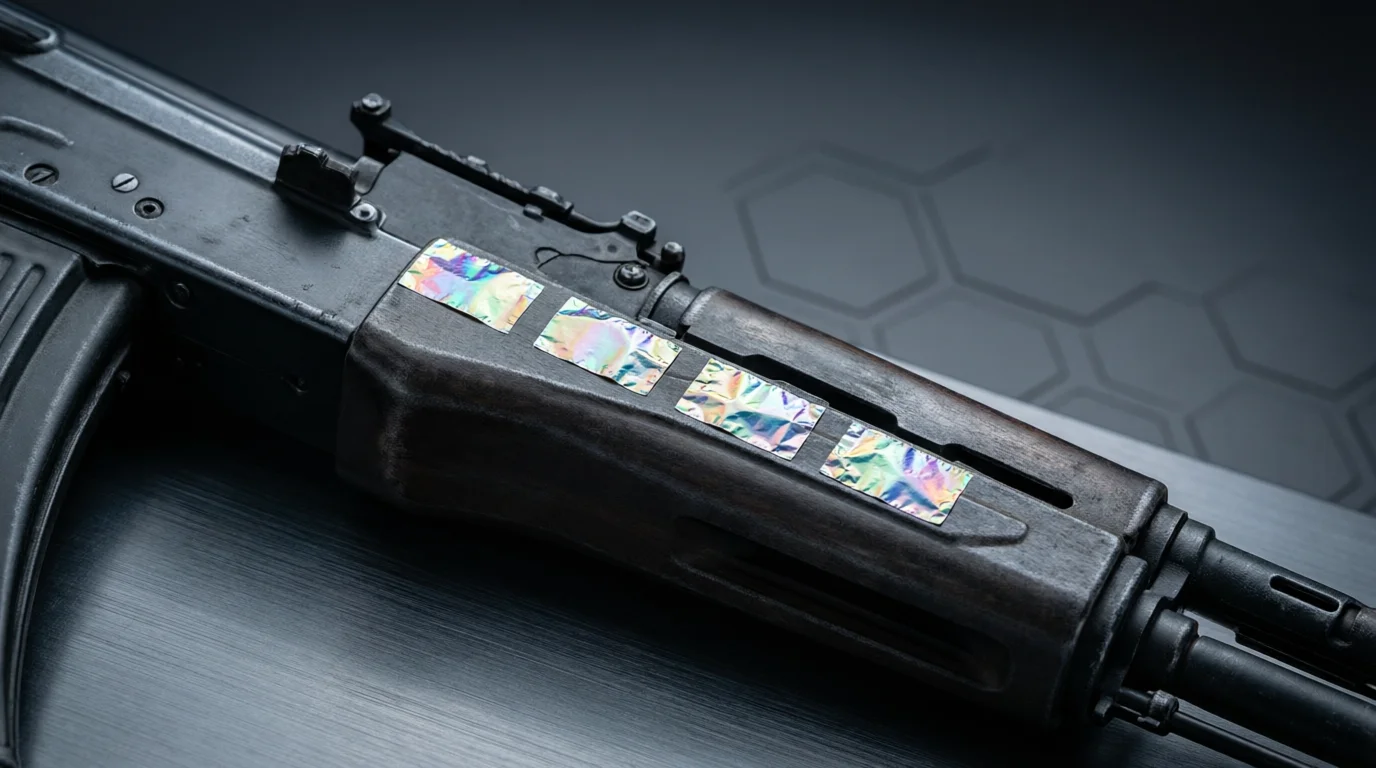
- Size and Placement: Does the sticker fit well on the weapon's "playside" (the right side of a rifle when held)? Stickers that are too large or oddly shaped get ignored.
When a new, popular skin is released, crafters immediately scour the sticker market for the perfect match. This can cause overnight, targeted explosions in price for a previously mid-tier sticker. This demand is perpetual and insatiable. It's the ultimate consumption sink that permanently removes stickers from the market.
A 2026 Strategy in Action
Let's walk through a hypothetical, but historically grounded, strategy for the first Major of 2026.
- Budget Allocation: Decide your total investment pool. Split it: 50% on proven Tier 1 team holos/foils (your stable base), 30% on promising "underdog with swag" holos, 20% on high-conviction rising star autograph foils.
- The Sale Week: When the 75% sale hits, don't buy capsules immediately. Wait for the market to be flooded from day 3 onward. Buy the stickers themselves off the Steam Community Market or third-party sites when they hit rock bottom (often just cents above the sale price).
- The Hold: Put them in storage. Forget about them for 6 months. Let the post-sale panic sell itself out.
- The Monitor: Watch the next Major. Is an underdog team you invested in making a Cinderella run? Is a young player you bought autographs for popping off? That's your signal to potentially sell a portion during the hype spike.
- The Long Game: For the remainder, think in 2-3 year cycles. As the capsules become "out of print" and the crafting machine keeps chewing through supply, the prices of the best designs will naturally rise. Your exit point is when the gains match your goal, or the narrative around the team/player permanently sours.
The community seems split on this, but I personally think holding unopened capsules is often less efficient than holding the targeted stickers you want. Capsules take up more space, their contents are diluted with paper stickers, and you're betting on the entire capsule's contents rising. With targeted sticker buys, you're investing in the winners directly.
Final Reality Check
Sticker investing isn't a guaranteed paycheck. It's a mix of market understanding, a bit of esports intuition, and patience. You will have duds. A team will disband, a player will fade into obscurity, a design will just flop.
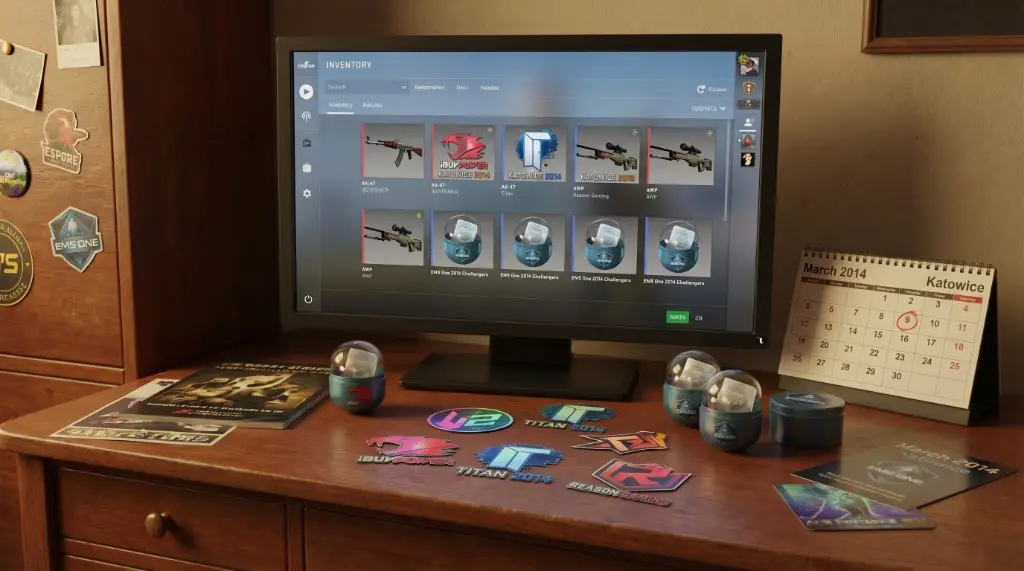
But the structural advantages are real: the 75% sale creates a forced supply shock, crafting demand provides constant consumption, and the cyclical nature of esports narratives creates regular hype events. In 2026, the play isn't hoping for the next Katowice 2014. It's systematically exploiting the predictable rhythms of the modern CS2 economy. Buy the narrative during the fire sale, and let the crafters and fans do the rest.