Last updated: March 21, 2026 (based on the March 18, 2026-era patch notes and community discussion; not an official Valve statement.)
Around March 18, 2026, Valve shipped a Counter-Strike 2 update that looks small on paper but rewrites how reloading works: moving from a classic ammo pool mental model toward a stricter magazine-based one. Every reload is now more often a real resource decision. The change sparked intense debate in matchmaking and pro circles, with many calling it one of the most gameplay-shifting tweaks in recent seasons.
What exactly changed?
Before the patch, Counter-Strike broadly behaved like this:
- Rounds left in a magazine were typically returned to your reserve when you reloaded;
- Many players built a habit of topping off whenever they felt safe, with limited long-term ammo cost.
After the update, the headline shifts are:
-
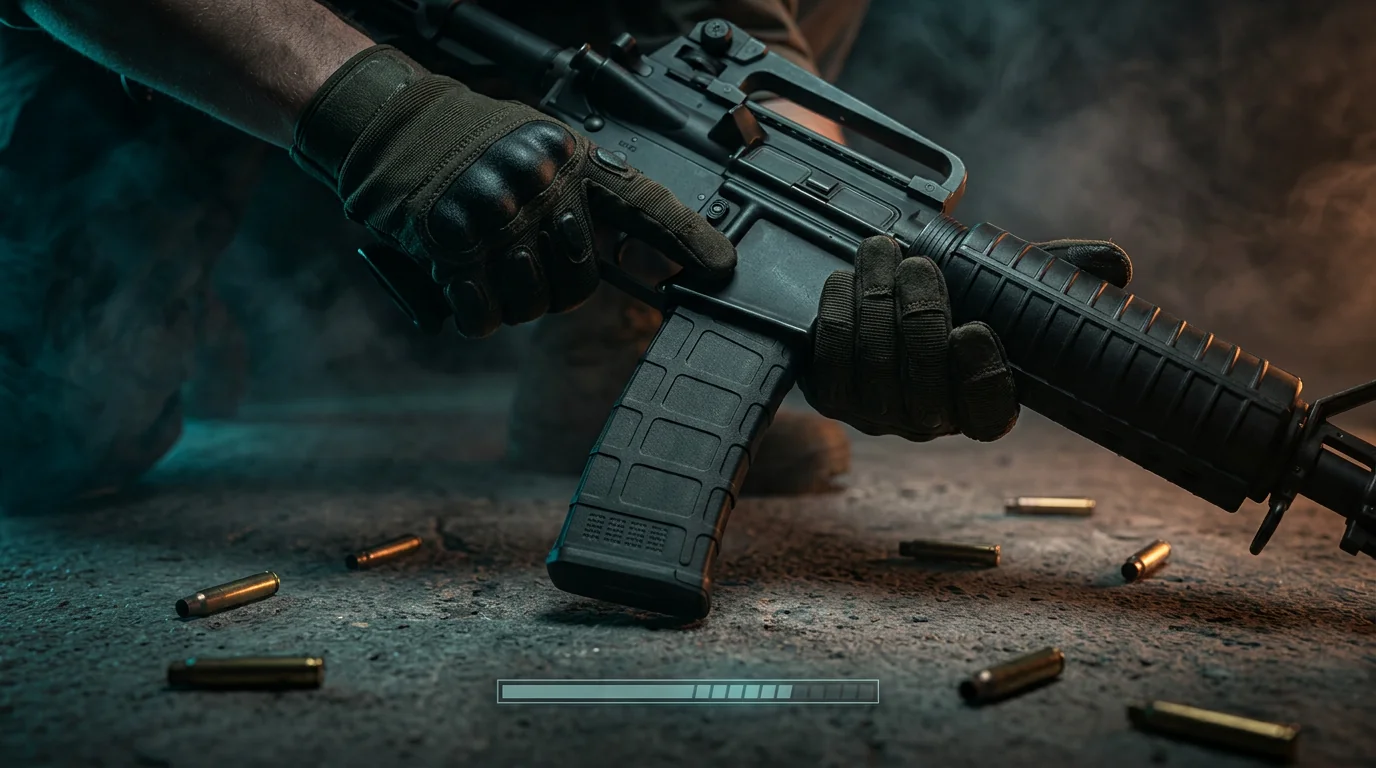
Reloading discards the remaining rounds in the current magazine
Pressing reload replaces the magazine, and leftover rounds are not added back to reserve. -
Reserve ammo is expressed as magazines, shells, or single rounds—with clearer HUD cues
The UI leans into weapon-specific reserve formats and adds stronger feedback (such as magazine fill) so players can build intuition faster. -
Weapon-specific reserve tuning
Rifles often sit around a few spare magazines; some weapons are more forgiving than others; sniper rifles—especially the AWP—can feel much tighter in how many meaningful shots you get per round.
In practice you are no longer managing a single abstract bullet total—you are managing magazines you can actually run out of.
How it feels for everyday players
1. The "reload tic" got expensive
Previously, reloading after one or two shots mostly cost animation time. Now it can cost a large chunk of a magazine.
- Prefiring corners and constantly topping off can drain reserves quickly;
- Late-round retakes and clutches are where "I still have a rifle, but I have no bullets" shows up.
Plenty of creators have already clipped the moment: safe cover, muscle-memory R, and then disaster two fights later.
2. Smoke spam and long sprays have a real price
When ammo felt infinite as long as you did not empty the gun in one burst, spraying through smoke was mostly a positioning and information trade.
Now:
- Long sprays and repeated spam consume magazine capacity you cannot magically recover;
- Aggressive players can hit empty rifles mid-round and be forced onto pistols or utility gambles.
That turns "should I spray?" into a budgeting question, not only a reflex.
3. Higher skill floor for newcomers, bigger penalty for autopilot
A common analysis is that disciplined players benefit sooner, while newer players who play on instinct may feel worse before they build magazine awareness.
- If you do not track magazines, you will reload and spray like it is still the old model;
- The system rewards intentional shooting and punishes unconscious habits.
Tactical and economic ripple effects
1. Gun choice and round phase matter more
Teams may need to ask:
- Did we spend too much ammo early and cripple our retake?;
- Do we prefer a rifle that is better for spamming angles, or one that is more forgiving in long post-plant scenarios?
Community breakdowns note uneven changes across weapons—some gain breathing room, some lose it; shotguns are often highlighted as relative winners, while pistol-spam tactics may need rethinking.
2. AWP anchors must respect dry-fire risk
With tighter reserves, whiffed shots and "info" shots are not free. One-tap reload habits burn magazines fast.
Effects include:
- More discipline on when the AWP shows and commits;
- Long single-site holds may require earlier rotations, hand-offs, or save plans so you are not empty when the execute arrives.
3. New info game: counting reloads and inferring pressure
High-level play may start treating reload audio like utility and economy clues:
- Multiple fast reloads on a position can signal a team is running low on sustained fire;
- Some approaches may aim to force fights and reload cycles to starve opponents later in the round.
For viewers, that is an extra layer casters can explain in replays.
Pros, analysts, and creators: a split room
Reactions landed fast and loud:
- Skeptical analysts argue the old system was not the community's top pain point compared with servers, matchmaking, and ecosystem issues.
- Creators often acknowledge the design goal—make reloads meaningful—while worrying about ranked friction for players who will not study magazine math.
- Players range from jokes about unlearning one-tap reloads to heated criticism, with a smaller camp hoping for cleaner, less random bullet spam at the highest level.
Roughly, you can bucket attitudes into rollback-leaning, wait-and-see, and a minority that likes the added decision weight.
How to adapt, starting today
1. Reload less on autopilot
- Use a simple rule: do not reload above half a magazine unless the duel is truly over;
- Reload after information, not after noise.
2. Train magazine intuition
- Lean on the magazine bar instead of staring at tiny digits;
- In DM or aim maps, practice "full magazine then reload" to break the tap-reload loop.
3. Change smoke and spray habits
- Prefer bursts and controlled taps over endless smoke spray;
- Split roles: who spends ammo early versus who banks for late round.
4. Re-score each weapon for your playbook
- Be careful picking tight-reserve weapons on rounds where you expect long post-plants;
- Favor more forgiving options when your strat needs sustained pressure.
Closing: a live experiment in muscle memory
This patch asks players to replace decades of "top off whenever" thinking with "reload only when it is worth the cost." That will feel awful for plenty of people before it feels normal. Whether it makes Counter-Strike cleaner at the top, or mostly adds friction in ranked, will play out across seasons and data.
You cannot control the patch notes—but you can control how fast you adapt. In the next meta swing, that is usually the real advantage.